
What Japanese food covers
Japanese cuisine is a broad food tradition, not one fixed menu or cooking style. In Manchester, the dishes available depend on each venue, so a menu may focus on one speciality or bring together several kinds of food. Familiar categories include sushi, noodles, rice-based meals and cooked dishes, each with its own ingredients and preparation. Menu descriptions show which dishes a particular venue offers.
Cuisine and common dish types
Japanese cuisine spans everyday meals, regional specialities and distinct cooking methods; it cannot be reduced to sushi or a single restaurant format. Common categories differ in their main ingredients and how they are prepared.
- Sushi: Seasoned rice is paired with toppings or fillings. Nigiri places fish or egg on a compact mound of rice, while maki rolls rice and fillings in seaweed.
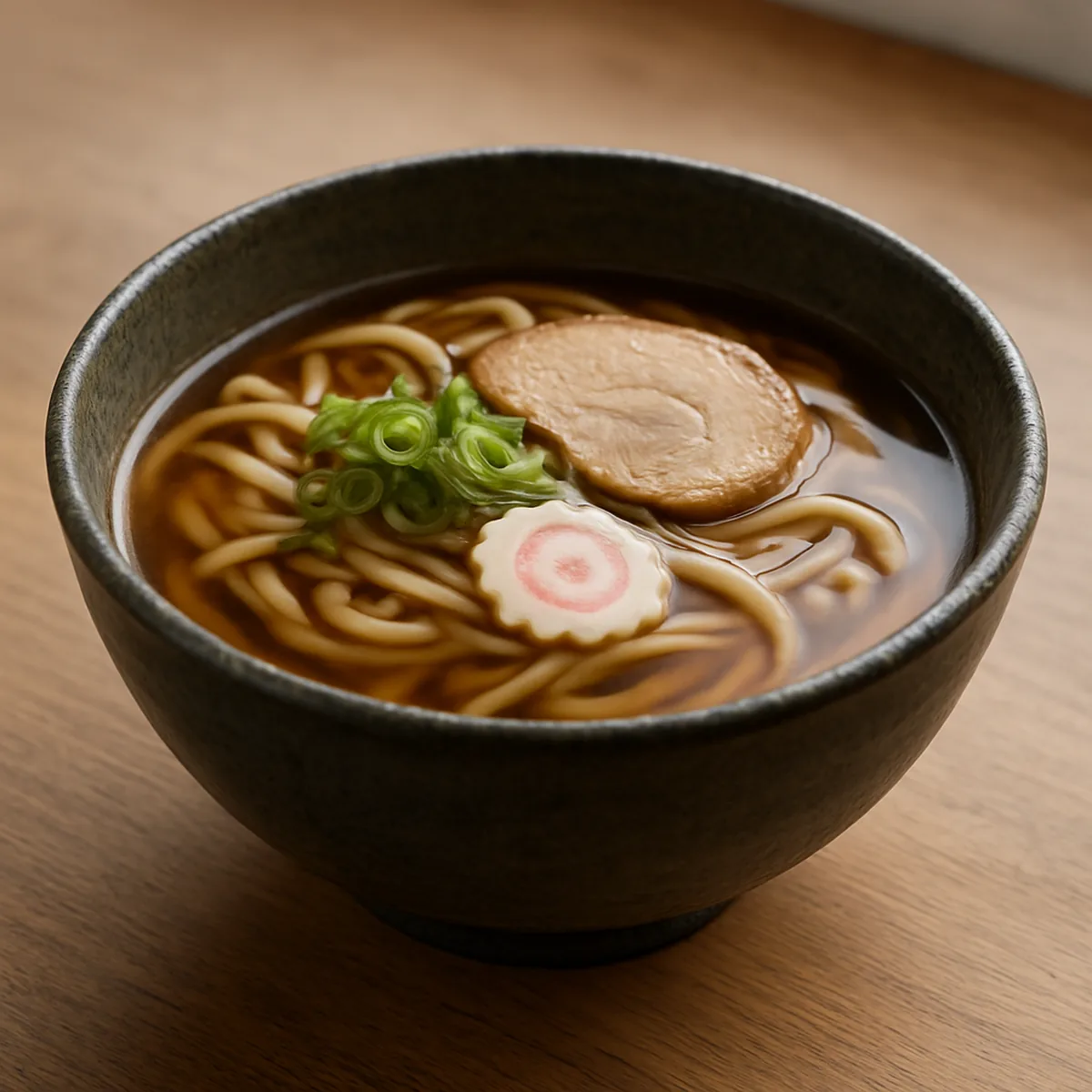
- Noodles: Ramen consists of wheat noodles served in broth, often with toppings such as sliced meat or vegetables. Udon and soba offer thicker or buckwheat-based alternatives.
- Rice dishes: A donburi is a bowl of rice topped with ingredients such as grilled chicken, egg or vegetables, making the rice part of the assembled meal.
- Grilled dishes: Yakitori is chicken cooked on skewers over a grill; other grilled dishes may feature fish or vegetables, with sauces and seasonings varying by preparation.
- Simmered dishes: Ingredients such as vegetables, tofu or meat cook gently in seasoned liquid. The result is tender and moist rather than crisp or charred.
- Fried dishes: Tempura coats seafood or vegetables in a light batter before frying, while katsu is a breaded cutlet with a crisp outer layer.
- Soups: Miso soup combines a savoury miso-based broth with ingredients such as tofu and seaweed; it may be served alongside rice or other dishes.
These examples show why Japanese food in Manchester can range from a focused noodle meal to a menu with several cooking styles. The selection varies by venue, and not every restaurant serves every category.
Sushi and its main styles
Sushi in Manchester menus can include several forms that differ in shape and assembly, not just in their toppings. The key distinction is the rice: sushi uses rice seasoned with vinegar, while raw fish alone does not make a dish sushi. Nigiri, maki and temaki each pair that rice with other ingredients in a different way. Menu descriptions indicate which form an item represents.
How sushi styles differ
Seasoned rice is sushi’s defining component. It is cooked rice mixed with vinegar, usually with sugar and salt; the seasoning gives it a gently tangy flavour and helps the grains hold together. Sushi does not have to contain raw fish: the rice may be paired with cooked seafood or other fillings. The form depends on how the rice and accompanying ingredients are shaped or wrapped. Nigiri is shaped by hand into a compact oblong of rice, with a slice or piece of topping placed across the top. Maki is rolled, then cut into pieces, while temaki is formed as a cone and typically eaten by hand. The table compares the assembly and appearance of each, alongside sashimi as a useful point of distinction.
| Style | Form | Assembly | Rice and serving shape |
|---|---|---|---|
| Nigiri | A small oblong | Rice is hand-shaped; a topping is placed over it, sometimes secured with a narrow strip of seaweed. | Seasoned rice sits beneath the topping; pieces are served individually. |
| Maki | A cylindrical roll cut into rounds | Rice and fillings are rolled in a sheet of seaweed, then sliced into bite-sized pieces. | Rice is inside the roll, commonly surrounding the filling. |
| Temaki | A cone or hand roll | A sheet of seaweed is shaped around rice and fillings, leaving the open end visible. | Rice and fillings sit inside the cone; it is usually held and eaten by hand. |
| Sashimi | Slices of fish or seafood | Fish or seafood is sliced and served without sushi rice. | There is no sushi rice, so sashimi is not a type of sushi. |
The practical distinction is straightforward: nigiri is topped rice, maki is a sliced roll, and temaki is a hand-held cone. Sashimi is sliced fish or seafood served without sushi rice, so it is separate from sushi even when both appear on the same menu.
Dining formats and menu range
Japanese dining can mean a served meal at a table, a buffet or all-you-can-eat session, or food packed for collection or delivery. Each format changes how you place an order, when dishes arrive and how much control you have over the meal’s pace. For Japanese food in Manchester, compare the service model as well as the menu: a broad selection does not necessarily mean every dish is prepared or served in the same way. The details below help you match the format to your time, group and preferred way of ordering.
Restaurant dining, buffet and takeaway
The main difference is how orders move from the menu or counter to the table. Service details vary by venue, so check the ordering method and any session conditions before choosing a format.
| Format | Ordering process | How food is served and paced | Practical decision |
|---|---|---|---|
| Seated restaurant dining | Choose dishes from a menu and give the order to a server, or use a table ordering system where provided. | Dishes may arrive as they are ready, in courses, or together; diners can usually order additional items during the meal. | Works well when conversation and a flexible meal pace matter, or when the group wants to choose individual dishes. |
| Buffet or all-you-can-eat service | Take food from a self-service display, or order selected dishes in rounds; the exact method depends on the venue. | Self-service allows diners to choose when to return, while made-to-order rounds bring dishes to the table. Some sessions set a time limit. | Check whether service is self-serve or round-based, what the session includes and whether a time limit applies. |
| Takeaway | Order at a counter, by phone or through an ordering platform, then collect the packaged meal or arrange delivery. | Food is packed for travel rather than served course by course; collection and delivery estimates can differ from preparation time. | Useful when eating elsewhere or fitting a meal around a fixed schedule; confirm collection details and the delivery area before ordering. |
For a seated meal, consider whether the menu supports sharing or lets each diner choose a separate main; those choices affect how easily a group can order together. A table service format also gives diners a chance to ask about dish composition or request clarification while placing the order, without assuming that every venue handles requests in the same way. Buffet and all-you-can-eat are not always synonymous with self-service. Some venues use a menu and bring each round to the table, which can suit diners who prefer freshly served portions over selecting from a display. Confirm how additional rounds are requested, whether the session has a stated duration and what happens to uneaten food, since these rules are set by individual venues. For takeaway, distinguish the time an order is accepted from its estimated ready or arrival time. Packaging, travel and delivery can affect how a meal reaches you, and the menu may differ from the one used for dining in. When comparing Japanese takeaway and delivery in Manchester, check the ordering channel, collection point or delivery coverage, and whether the items you want are offered for that service. Match the format to the occasion: choose seated dining for a flexible shared meal, buffet service for a planned session with varied portions, or takeaway when the meal needs to travel. Group size, available time, ordering preferences and the specific service conditions are the most useful criteria.
Dietary questions for Japanese dishes
Choosing Japanese food in Manchester can involve more than spotting vegetables or a meat-free label. Stock, seasonings and cooking methods may affect whether a dish meets a personal halal or vegan requirement. Menus often name the main components, while details such as broth base or cooking wine may need confirmation. Asking about both ingredients and kitchen handling gives diners clearer information before ordering.
Ingredients and preparation
A dish description may list its main ingredients without identifying every element in its sauce, broth or cooking process. For halal or vegan requirements, check those details as well as how the meal is prepared.
- For halal requirements, ask about the protein’s source and whether it has recognised halal certification; a menu name alone does not establish either detail.
- Check stocks and broths for pork, chicken, beef or fish ingredients, since a vegetable-topped bowl may still use an animal-based base.
- Ask whether cooking sake or mirin is included in sauces or marinades, and whether the kitchen can confirm the recipe’s specific ingredients.
- For vegan choices, ask whether dashi contains bonito or other fish; kombu-based stock is seaweed-derived, but confirm the actual broth used.
- Check sauces and toppings for fish or oyster extracts, egg-based mayonnaise, honey or other ingredients that conflict with your requirement.
- Ask whether a listed ingredient is the complete recipe or whether the dish also includes an unlisted seasoning, stock or cooking liquid.
- For preparation assurances, ask about shared fryers, grills, utensils and work surfaces, and whether separate equipment or cleaning steps are available.
Ingredient information describes what a recipe contains; it does not by itself confirm certification, separate preparation or protection from cross-contact. Ask directly: “What is in the broth and sauce?” and “How is this dish prepared?”
Finding the right guide for your plans
A useful Japanese dining plan depends on what you want to eat, where you will be and how you prefer to dine. Someone comparing neighbourhoods needs different details from a diner checking menu suitability or looking for a hands-on class. The related guides focus on those practical questions, from sushi by area to takeaway arrangements. Together, they help you narrow down Japanese food in Manchester without pointing you towards a particular establishment.
Topics covered in this guide
The related guides address distinct planning needs, so you can focus on location, menu choices or dining format rather than treating every search as the same question. Topics include sushi in Manchester, restaurant comparisons and ways to experience Japanese food beyond a sit-down meal.
- Sushi by area: Compare the parts of Manchester covered by sushi guides, using neighbourhood, journey distance and the type of sushi meal you have in mind to narrow your search.
- Choosing a restaurant: Restaurant-selection guidance helps you compare menu range, dining style, location and practical details such as opening hours before deciding where to eat.
- Halal and vegan sushi: These guides focus on questions about halal suitability and plant-based choices, including which ingredients or preparation details a diner may need to check.
- Buffet formats: Buffet coverage explains how an all-you-can-eat format differs from ordering individual plates, helping you identify which service style matches your plans.
- Classes: Class guides cover Japanese cooking or food preparation, with details to compare such as the subject taught, session format and location.
- Takeaway: Takeaway guidance covers collection and delivery as alternatives to dining in, helping you compare ordering options and the kinds of dishes available to travel.
The Manchester Japanese Food Guide is an independent English-language information guide, not a shop, business, service provider, school or organisation. It offers no products or services and has no affiliation with the former Sakura restaurant or any restaurant at the domain. If your question is where to look, use the area topic; if it is what suits your needs, consult the restaurant, halal or vegan topic; for dining format, cooking instruction or eating at home, consult the buffet, classes or takeaway topic.